
Understanding Digital Media Evolution

The digital media landscape has evolved dramatically over the years, with innovations revolutionizing how we create, share, and consume content. Understanding this evolution is key to appreciating a pioneering achievement like DivX Conversion. Digital media began with simple text and static images, evolving to include streaming video and audio, interactive multimedia, and now, immersive virtual reality. This progression is driven by advancements in technology, from early personal computers to today’s powerful smartphones and high-definition displays.
DivX Conversion stands out as a pivotal moment in this evolution. It refers to the process of converting media files into a highly compressed yet high-quality format, ensuring smooth playback while significantly reducing file sizes. This technology has transformed digital media consumption by making high-quality video accessible over the internet without sacrificing performance. By enabling efficient storage and streaming, DivX Conversion has played a crucial role in shaping today’s vibrant digital media industry, fostering a global community of content creators and consumers alike.
Unveiling DivX: A Revolutionary Format

How DivX Conversion Works
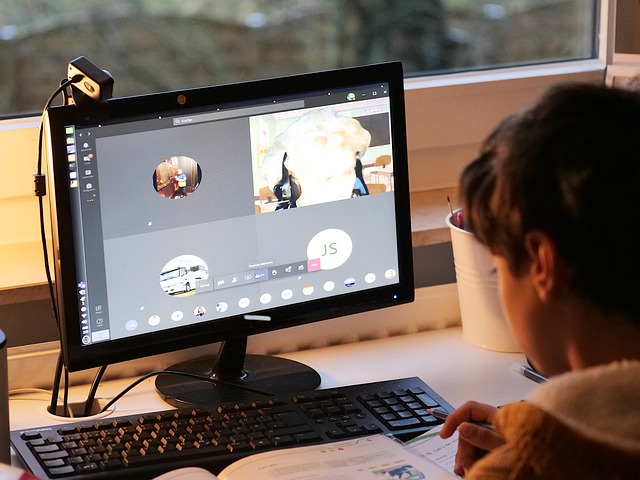
DivX Conversion is a groundbreaking process that enables efficient and high-quality video compression, allowing for seamless playback on various devices. It’s a technology that has revolutionized digital media consumption by providing an optimal balance between file size reduction and visual fidelity. The process leverages advanced algorithms to analyze and optimize video content, removing unnecessary data without compromising the overall viewing experience.
At its core, DivX Conversion utilizes sophisticated codecs to break down video into smaller, more manageable segments, identifying and discarding redundant or less perceptible data. This meticulous approach ensures that the resulting file size is significantly reduced while maintaining the original video’s essence. The compressed video can then be played back on a wide range of platforms, from high-definition televisions to mobile devices, ensuring a consistent and enjoyable user experience across different screen sizes and capabilities.
Benefits of DivX Technology

DivX technology offers several significant advantages in the realm of digital media. One of its key benefits is what’s known as DivX Conversion, a process that optimizes video files for efficient streaming and storage while minimizing loss in quality. This ensures that users can enjoy high-definition content seamlessly across various devices without the need for excessive bandwidth.
Additionally, DivX technology enhances video compression, allowing for smaller file sizes without compromising visual clarity or audio fidelity. This is particularly beneficial for online platforms where faster loading times and reduced data consumption are critical. As a result, DivX enables smoother playback experiences, reduces buffering, and facilitates easier sharing of multimedia content.
Real-World Applications of DivX

DivX, a pioneering compression technology, has left its mark across various industries, demonstrating the power of efficient media encoding. Beyond entertainment, DivX conversion finds real-world applications in several fields. For instance, it plays a crucial role in streaming media services, enabling high-quality video delivery over the internet. This is particularly beneficial for online video platforms, allowing them to offer users a seamless viewing experience without compromising on visual fidelity.
Additionally, DivX is widely used in digital archiving and backup solutions. Its advanced compression algorithms ensure that large multimedia collections can be stored efficiently, preserving files for long-term access. This capability is invaluable for libraries, archives, and historical institutions, where the preservation of digital assets is of utmost importance.
Looking Ahead: Future Prospects of DivX

The future of video streaming and digital media looks bright for DivX, a technology that has already revolutionized the way we consume content. With continuous advancements in what is DivX Conversion, we can expect even more seamless and high-quality experiences. Innovations in compression algorithms will further reduce file sizes without sacrificing visual quality, making streaming over limited or variable networks faster and more reliable.
DivX’s potential extends beyond personal devices to the growing trend of Internet of Things (IoT) devices. As smart TVs, set-top boxes, and other connected appliances become more prevalent, DivX’s ability to provide efficient video delivery will be instrumental in ensuring a consistent viewing experience for users across various platforms. This technology is poised to play a pivotal role in shaping the future of digital media, offering exciting prospects for content creators and consumers alike.